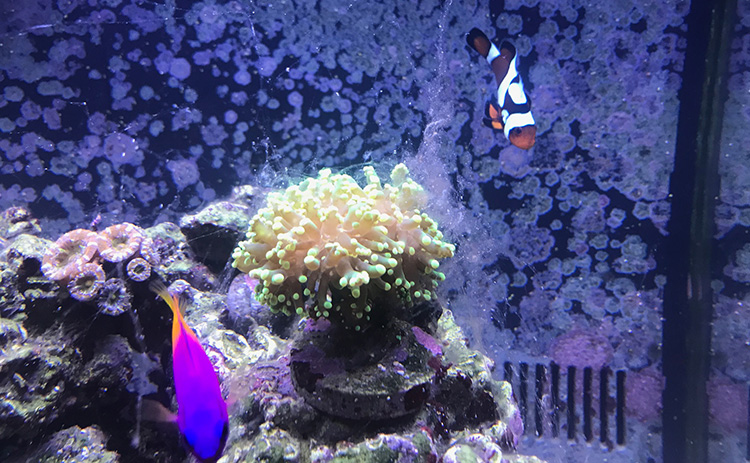
Saltwater aquariums, with their vibrant and diverse marine life, have long captivated the hearts of aquarium enthusiasts. The allure of creating a miniature underwater ecosystem teeming with colorful fish, corals, and other marine creatures is undeniably appealing. However, for many aspiring aquarists, the question remains: Is it hard to start a saltwater aquarium? Let’s dive in and explore the intricacies of setting up and maintaining a saltwater aquarium, including the popularity of nano reef tanks and mini reef tanks and the importance of hardy fish.
When diving into the world of saltwater aquariums, determining your tank size is a top priority.
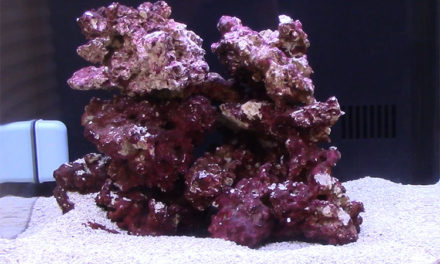
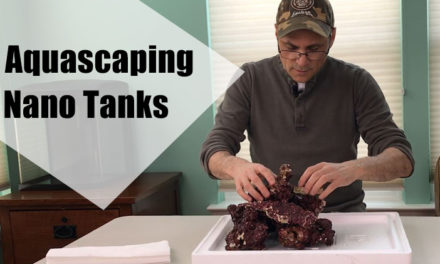
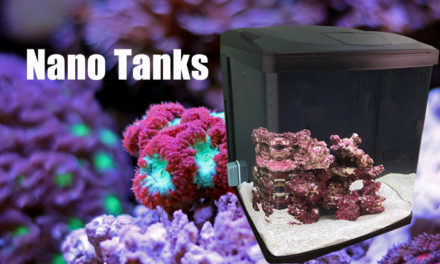
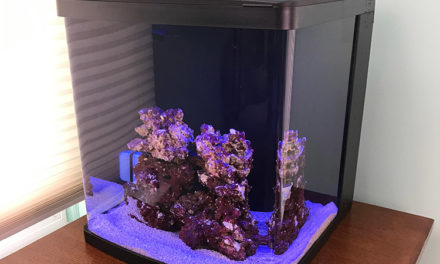
While larger tanks can be advantageous, they come with higher costs and require more expertise to maintain. For those starting out or lacking space, nano-reef tanks and mini-reef tanks are ideal alternatives. These smaller tanks, typically ranging from 10 to 30 gallons, offer a manageable introduction for saltwater enthusiasts. The compact layout allows for easier maintenance, stable water parameters, and decreased equipment experiences. Nano reefs and mini reefs have skyrocketed in popularity thanks to their affordability and ability to create stunning underwater landscapes within limited space.
Selecting the right fish and invertebrates is crucial.
Novices are better off with robust species that can adapt well to new tank conditions. Hardy fish types are hailed because of their ability to weather water parameter fluctuations. Clownfish, damselfish, and select gobies are examples of hardy fish species suitable for saltwater aquariums; these require relatively little attention, making them ideal for beginners still mastering their aquarium-keeping skills.
Establishing a proper nitrogen cycle in the aquarium is crucial when selecting hardy fish.
This process involves beneficial bacteria that convert toxic ammonia from fish waste and decaying matter into less harmful substances. To start this process, adding a small amount of ammonia to the tank enables these bacteria to grow and establish themselves over several weeks. It is important to monitor water parameters closely during this time using testing kits that measure ammonia, nitrite, and nitrate levels. Doing so will ensure your tank progresses safely through the nitrogen cycle.
Maintaining stable water parameters is vital for the health of the aquarium inhabitants.
In a saltwater aquarium, parameters such as temperature, salinity, pH, and nutrient levels must be carefully monitored and controlled. The appropriate temperature range for most saltwater aquariums is around 76 to 82 degrees Fahrenheit (24 to 28 degrees Celsius), and salinity should be maintained at specific levels (typically between 1.023 and 1.025 specific gravity). pH levels should be within the range of 8.0 to 8.4 to support a healthy marine environment. Regular water testing, water changes, and the use of quality filtration systems are essential to maintaining optimal water conditions.
Proper lighting and coral selection play a vital role in maintaining a healthy reef ecosystem in a saltwater aquarium.
Corals are photosynthetic organisms that thrive under specific light spectrums and intensities, making it important to research their lighting requirements before making any purchase. LED lighting systems have gained popularity due to their energy efficiency and ability to provide the required spectrum for coral growth. Ensuring that the chosen lighting system conforms with the coral species being considered is crucial for sustainable growth.
Starting a saltwater aquarium may feel like a daunting task at first, but with the right tools and knowledge, it can become an enjoyable and fulfilling venture. The availability of nano-reef and mini-reef tanks has simplified the process for beginners.
In summary
Starting a saltwater aquarium may pose challenges; nevertheless, it can be achieved with the right mindset and commitment. Make sure to select hardy fish species and maintain stable water parameters. Patience is key, as establishing a thriving underwater world in your home takes time and attention to detail. But with careful care and dedication, you can create a stunning and vibrant environment that will capture the wonder of any observer.
The emergence of nano-reef tanks and mini-reef tanks has made saltwater aquariums more accessible to a broader audience. To ensure success, selecting sturdy fish species and monitoring stable water conditions are critical factors. So don’t hesitate to plunge into this rewarding journey of creating an enchanting saltwater aquarium that brings you peace and happiness.